Energy Efficiency Policy
Tashkent State Medical University has established institutional requirements for improving energy efficiency in new construction and renovation projects. The policy promotes energy-efficient building design, lighting, heating, cooling and electrical systems, together with monitoring and compliance measures.
Energy Efficiency Improvements in Existing Buildings
Tashkent State Medical University is committed to improving the energy performance of its existing buildings through planned infrastructure upgrades, energy-efficient technologies and sustainable modernisation measures.
University Measures Towards Affordable and Clean Energy
Tashkent State Medical University
Energy Efficiency · Smart Buildings · Green Infrastructure · Carbon Reduction
Tashkent State Medical University promotes energy efficiency and sustainable campus development through energy-efficient equipment, smart building technologies, green infrastructure improvements and greenhouse gas emission monitoring. These initiatives support responsible energy management and contribute to the University’s environmental sustainability objectives.


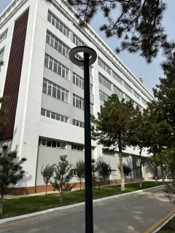
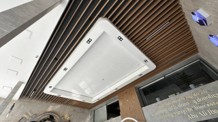
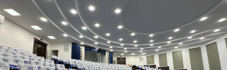

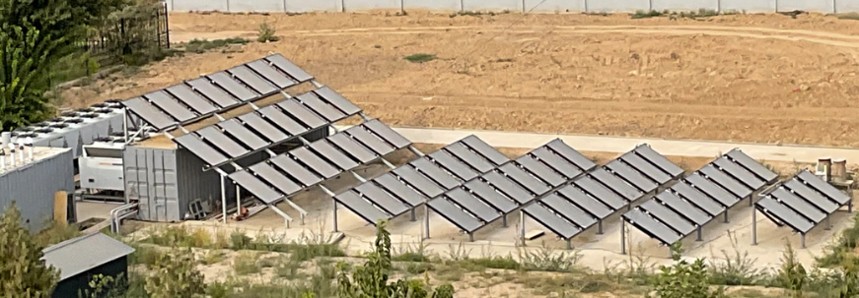
TSMU promotes the use of energy-efficient appliances and equipment across its academic, administrative and other university facilities. These measures support more responsible electricity consumption and contribute to improving the overall energy performance of campus operations.
University Energy Efficiency and Energy Consumption Reduction Plan
Tashkent State Medical University is committed to reducing overall energy consumption through systematic monitoring, efficient use of energy resources, energy-saving technologies and continuous improvement of energy performance across its facilities
University Energy Review and Energy Audit Programme
Tashkent State Medical University conducts systematic reviews of energy consumption across its facilities to identify areas of high energy use, detect potential energy wastage and develop recommendations for improving energy efficiency.
Smart Building Implementation Evidence
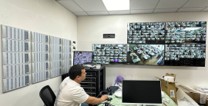
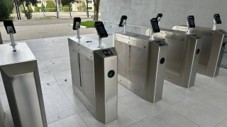
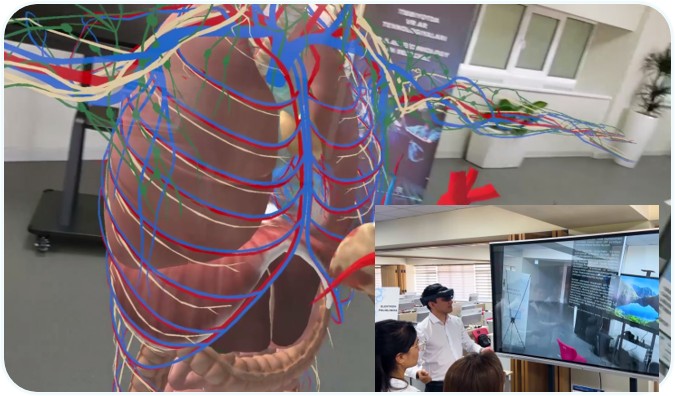
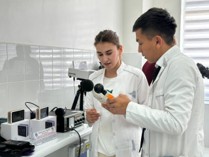
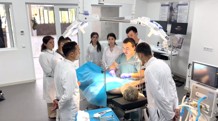
The University supports the development of smart and energy-efficient buildings through modern building technologies and improved infrastructure management. Smart building solutions contribute to more effective monitoring and management of energy use within university facilities.
Green Building Infrastructure
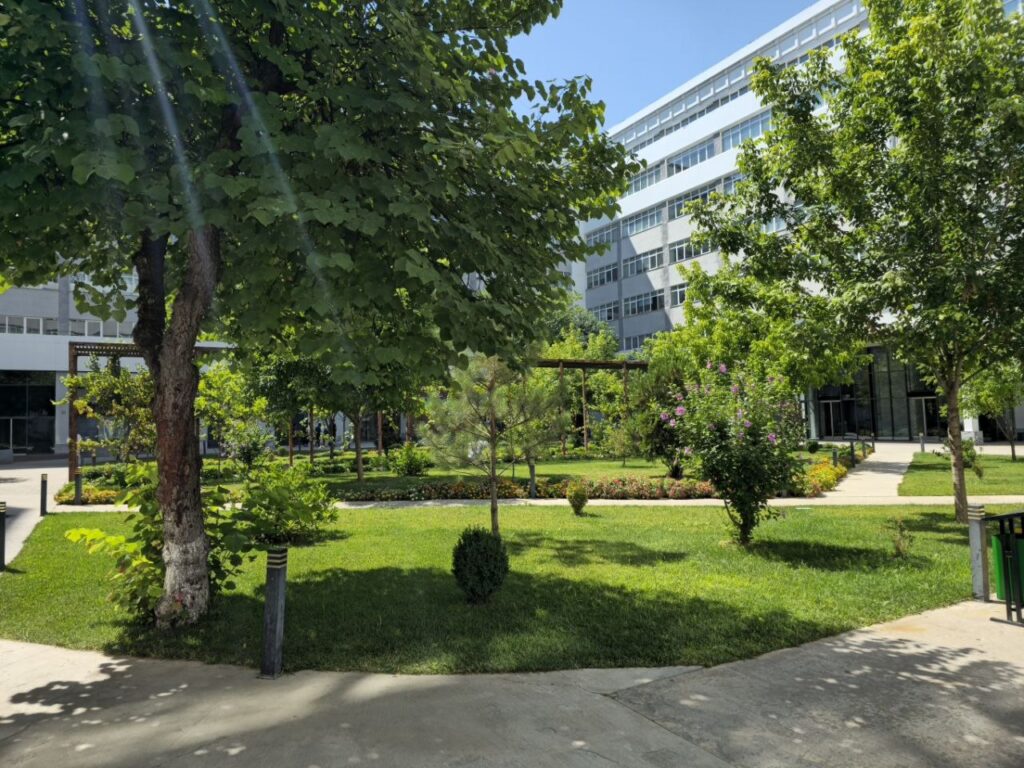
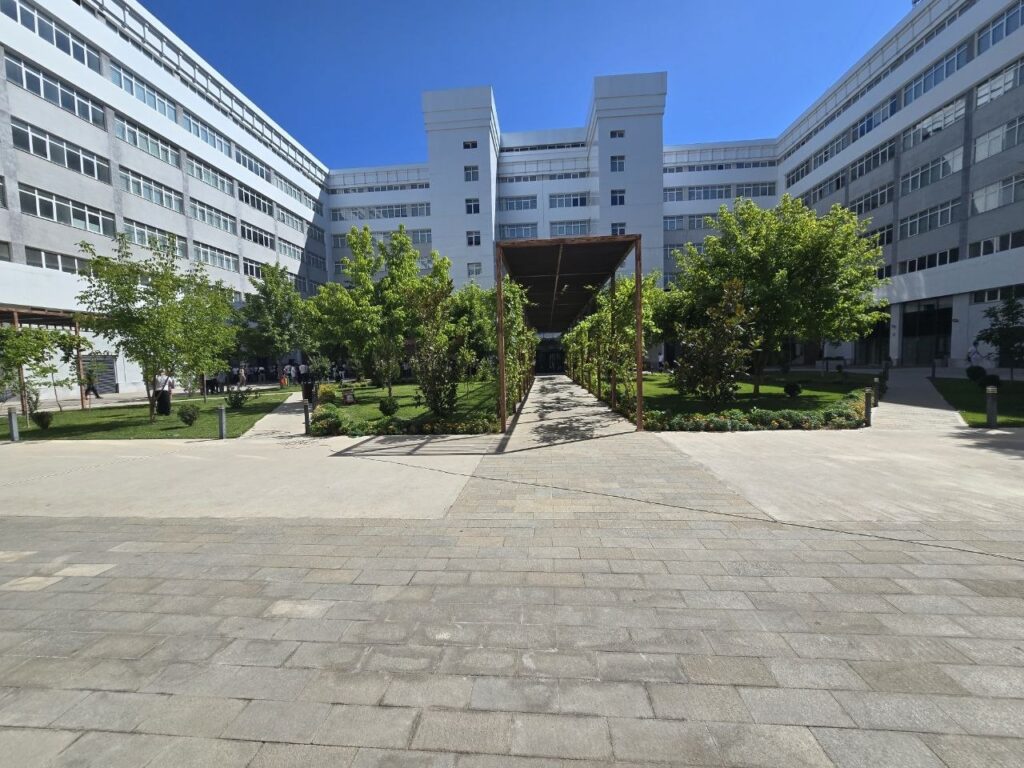
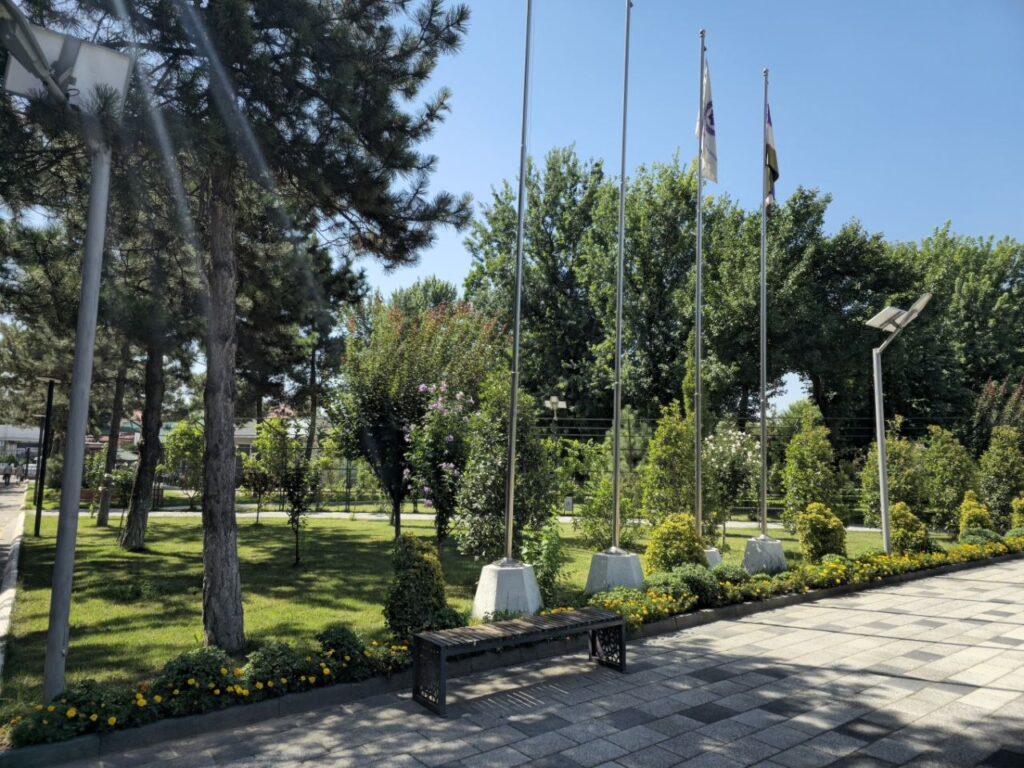
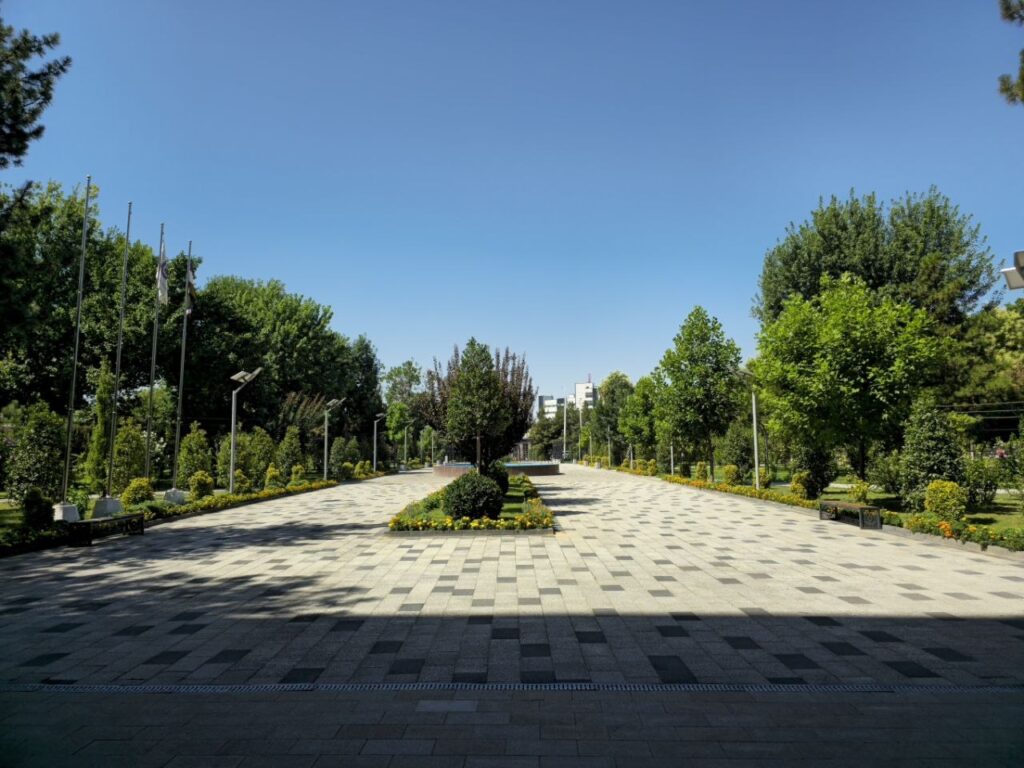
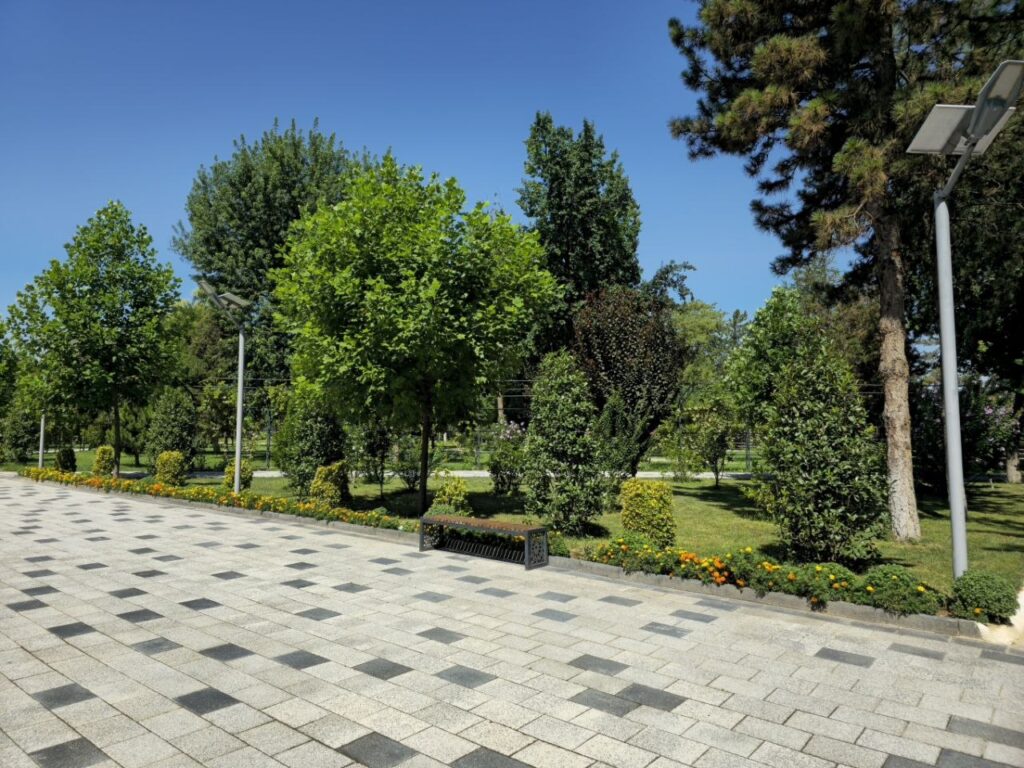
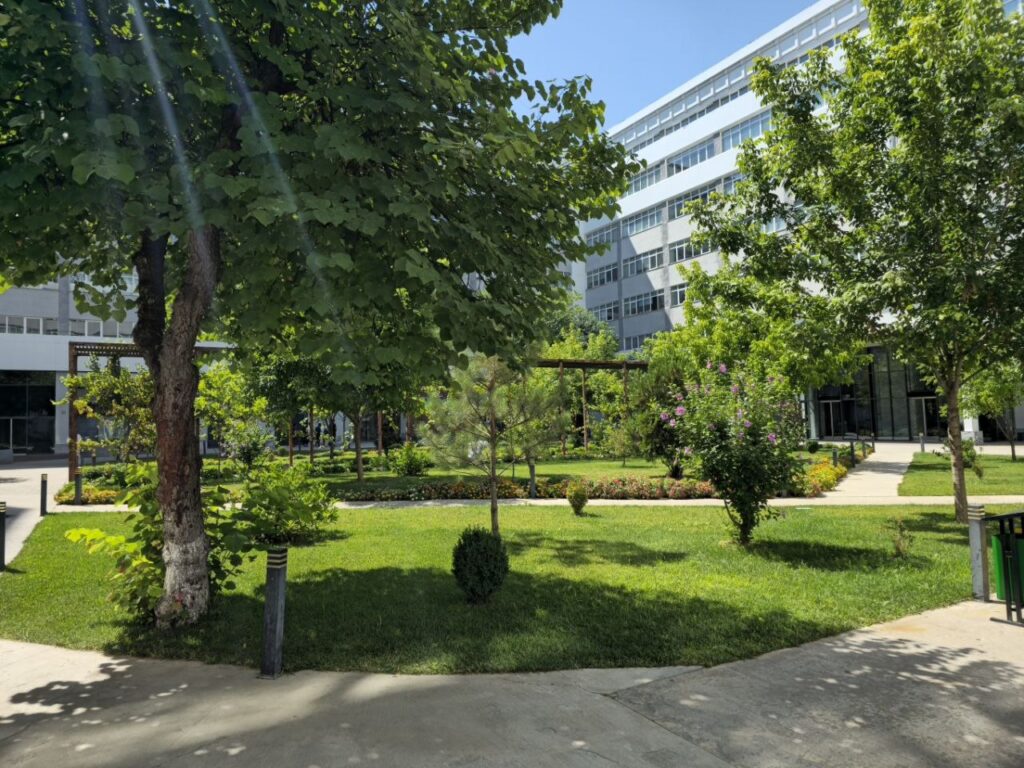
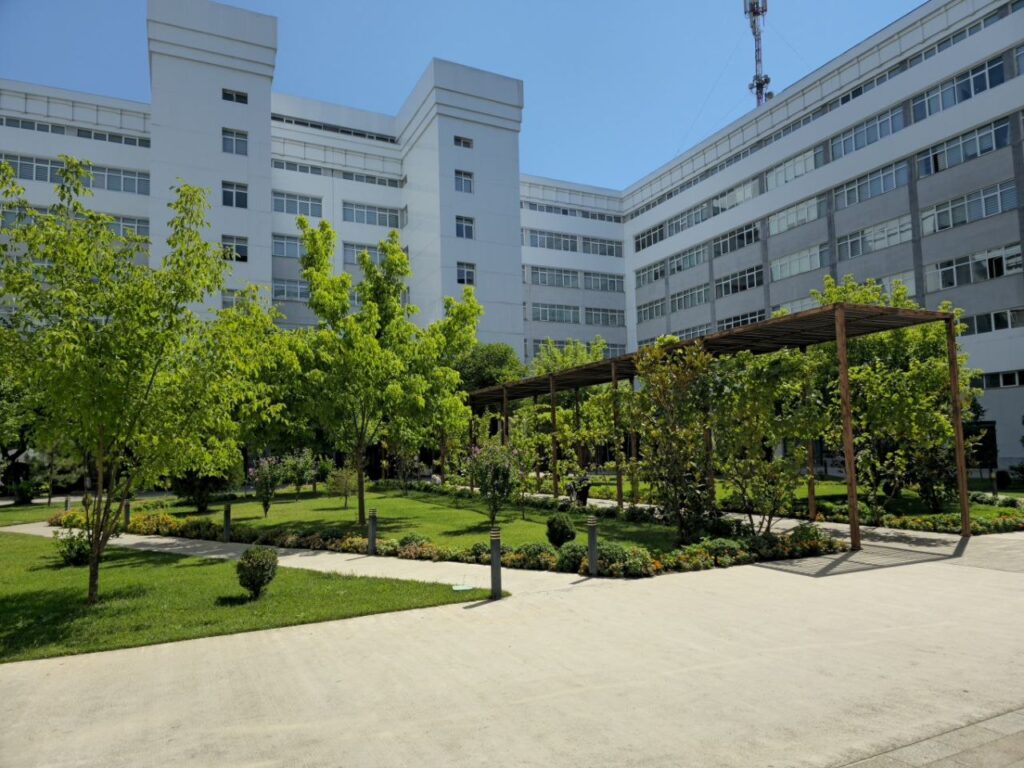
TSMU supports sustainable campus infrastructure through the implementation of green building elements and environmentally responsible building improvements. These measures contribute to resource efficiency and the development of a more sustainable university environment.
Greenhouse Gas Emission Reduction
The University undertakes activities to monitor and address greenhouse gas emissions associated with its operations. Energy management, infrastructure improvements and environmental monitoring contribute to identifying opportunities for reducing the University’s environmental impact.
Policy on Divestment from Carbon-Intensive Energy Industries
Tashkent State Medical University is committed to responsible investment practices by avoiding new investments in coal, oil and other carbon-intensive energy industries within its authority
Carbon Management and Emission Reduction Programme
Tashkent State Medical University implements a structured approach to monitoring its carbon footprint and reducing carbon dioxide emissions through energy efficiency improvements, renewable energy initiatives and sustainable campus operations.
Carbon Footprint Monitoring
TSMU assesses its carbon footprint using information on electricity consumption and other relevant operational activities. Carbon footprint calculations help the University evaluate its environmental impact and identify areas for future improvement in energy management and emission reduction.
Tashkent State Medical University continues to strengthen its commitment to sustainable energy management through energy-efficient equipment, smart building technologies, green infrastructure and carbon footprint monitoring. These activities contribute to improving campus energy performance and supporting the objectives of Sustainable Development Goal 7.