Energy & Climate Change at Tashkent State Medical University
Tashkent State Medical University (TSMU) is committed to improving energy efficiency, reducing greenhouse gas emissions, promoting renewable energy, and supporting climate-responsible campus development.
The university continuously implements measures aimed at optimizing energy consumption, modernizing infrastructure, introducing renewable energy technologies, and increasing environmental awareness among students and staff.
Energy Management
TSMU actively promotes responsible energy use across academic buildings, research facilities, university clinics, student dormitories, and administrative units.
The university continuously monitors energy consumption and implements energy-saving measures to improve operational efficiency and reduce environmental impact.
Key priorities include:
- Improving energy efficiency;
- Reducing energy waste;
- Modernizing electrical infrastructure;
- Expanding renewable energy utilization;
- Supporting climate-friendly campus operations.
Renewable Energy Initiatives
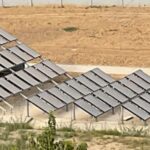
Tashkent State Medical University actively utilizes solar energy systems installed across academic buildings and student dormitories.
In 2025, the university generated approximately 1,160,000 kWh of electricity from solar photovoltaic systems.
Renewable energy currently contributes approximately 20.8% of the university’s annual electricity consumption, demonstrating TSMU’s commitment to reducing greenhouse gas emissions and increasing the use of clean energy technologies.
Energy & Climate Change Statistics
| Indicator | Value |
|---|---|
| Annual Electricity Consumption | 5,588,617 kWh |
| Annual Solar Energy Generation | 1,160,000 kWh |
| Renewable Energy Contribution | 20.8% |
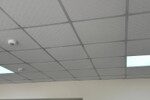
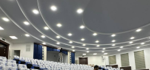
| Buildings with LED Lighting | 100% |
| Buildings with Smart/Sensor Lighting | 70% |
| Buildings with Thermal Insulation | 100% |
| Electric Vehicle Charging Stations | 1 |
| EV Charging Infrastructure Established | 2024 |
| Solar Energy Systems Installed In | Academic Buildings and Student Dormitories |
Energy-Efficient Buildings
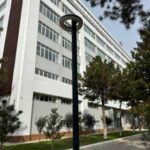
TSMU promotes green building principles through the modernization of educational, clinical, and residential facilities.
Energy-efficient measures include:
- LED lighting systems;
- Thermal insulation technologies;
- Energy-efficient windows;
- Natural lighting utilization;
- Smart lighting controls;
- Sustainable building management practices.
Smart Energy Management
The university integrates digital technologies into campus operations to improve monitoring and management of energy resources.
Digital infrastructure supports:
- Energy consumption monitoring;
- Facility management;
- Resource optimization;
- Sustainable operational planning.
Electric Mobility Support
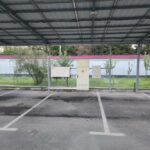
TSMU supports sustainable transportation initiatives through the installation of an electric vehicle charging station on campus.
The charging station was established in 2024 and contributes to reducing carbon emissions while encouraging environmentally friendly transportation options.
Climate Change Awareness
The university promotes awareness of climate change and environmental sustainability through educational programs, student engagement activities, research initiatives, and public outreach programs.
Students and staff are encouraged to participate in activities that support climate action, energy conservation, and sustainable lifestyles.
Future Commitments
TSMU is committed to further strengthening its energy and climate performance through:
- Expansion of renewable energy systems;
- Increased use of energy-efficient technologies;
- Reduction of greenhouse gas emissions;
- Sustainable infrastructure investments;
- Climate-conscious campus management.