Advancing SDG 12: Responsible Consumption and Production at Tashkent State Medical University
Tashkent State Medical University (TSMU) is committed to promoting sustainability and responsible resource management in accordance with the United Nations Sustainable Development Goal 12 (SDG 12): Responsible Consumption and Production. The university continuously integrates sustainable practices into its academic, research, healthcare, and administrative activities to reduce environmental impacts, improve resource efficiency, and foster a culture of sustainability among students, staff, and the wider community.
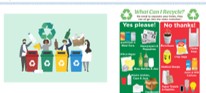
TSMU implements a comprehensive waste management system based on the principles of Reduce, Reuse, and Recycle (3R). Waste segregation bins are installed across the campus to facilitate the separate collection of recyclable and non-recyclable waste. The university promotes waste reduction initiatives aimed at minimizing paper consumption, reducing single-use materials, and encouraging environmentally responsible behavior among students and employees.
As part of its commitment to sustainable consumption, TSMU actively supports digital transformation and paperless administration through electronic document management systems, digital learning platforms, and online administrative services. These measures significantly reduce paper usage and improve operational efficiency across the university.
The university also promotes responsible procurement practices by encouraging the purchase of durable, energy-efficient, and environmentally friendly products whenever possible. Sustainable resource management principles are incorporated into campus operations to ensure efficient use of electricity, water, equipment, and other institutional resources.
TSMU maintains specialized procedures for the collection, transportation, treatment, and disposal of medical and hazardous waste generated through educational, clinical, and research activities. These practices help protect public health, ensure environmental safety, and comply with national regulations governing healthcare waste management.
Environmental awareness and sustainability education are integral components of university life. TSMU regularly organizes awareness campaigns, seminars, training sessions, volunteer activities, and student-led initiatives focused on waste reduction, recycling, resource conservation, and sustainable lifestyles. Through these activities, students gain practical knowledge and develop environmentally responsible attitudes that contribute to long-term sustainable development.
Research and innovation activities conducted at TSMU also support SDG 12 by exploring sustainable healthcare solutions, environmentally responsible laboratory practices, medical waste management systems, and innovative approaches to resource efficiency. The university encourages interdisciplinary collaboration aimed at reducing environmental impacts within healthcare and educational institutions.
Through partnerships with government agencies, healthcare organizations, local communities, and international partners, TSMU actively contributes to the promotion of sustainable consumption and production practices beyond the university campus. These collaborations support environmental awareness, knowledge exchange, and the implementation of sustainability initiatives at regional and national levels.
Key Initiatives
- Implementation of the 3R (Reduce, Reuse, Recycle) Program
- Waste segregation and recycling systems across campus
- Digitalization and paperless administration initiatives
- Sustainable procurement and resource management practices
- Medical and hazardous waste management procedures
- Environmental awareness campaigns and sustainability training
- Student participation in sustainability and waste reduction projects
- Research on sustainable healthcare and environmental management
- Partnerships supporting responsible consumption and production
Contribution to Sustainable Development Goals
TSMU’s responsible consumption and production initiatives contribute directly to:
- SDG 12 – Responsible Consumption and Production
- SDG 3 – Good Health and Well-Being
- SDG 6 – Clean Water and Sanitation
- SDG 11 – Sustainable Cities and Communities
- SDG 13 – Climate Action
- SDG 17 – Partnerships for the Goals
Future Commitments
Tashkent State Medical University remains committed to strengthening sustainable consumption and production practices by expanding waste reduction programs, increasing recycling capacity, promoting resource-efficient technologies, enhancing sustainability education, and supporting innovative research aimed at reducing environmental impacts within healthcare and higher education sectors.