Partnerships for the Goals at Tashkent State Medical University
Strengthening Institutional Partnerships, Evidence-Based Policy and Sustainable Development
Tashkent State Medical University (TSMU) is committed to advancing the United Nations Sustainable Development Goals through institutional cooperation, scientific expertise and active engagement with national and regional stakeholders.
As a leading medical higher education institution, TSMU contributes to sustainable development by sharing academic knowledge, supporting public health initiatives, providing professional expertise and cooperating with government authorities, healthcare organisations, educational institutions and civil society.
The University’s activities focus on strengthening healthcare systems, improving public health, supporting evidence-based decision-making and contributing to the development and implementation of policies aligned with national priorities and the Sustainable Development Goals.
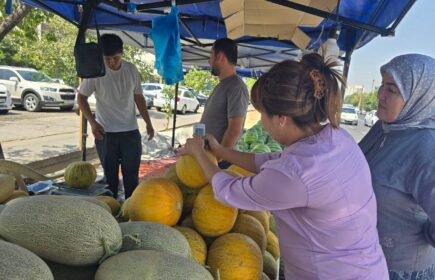


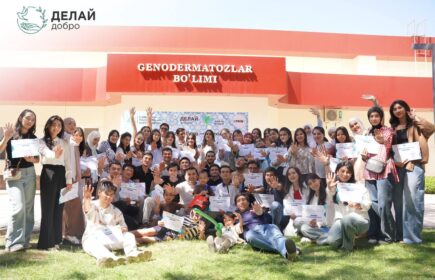


University Engagement in National SDG Policy Development
Tashkent State Medical University recognises the importance of universities in supporting national and regional policy development. Through its academic, scientific and professional capacity, TSMU contributes expertise in healthcare, public health, disease prevention, medical education and community well-being.
The University seeks to strengthen cooperation with government ministries, public authorities and relevant institutions to address healthcare challenges and support the achievement of national sustainable development priorities.
Its contribution includes scientific consultation, professional recommendations, participation in collaborative initiatives and the exchange of evidence-based knowledge relevant to public policy development.
Government Policy Development and Advisory
TSMU’s academic staff and specialists contribute professional knowledge and scientific perspectives to discussions concerning healthcare development, public health protection, disease prevention and improvements in medical education.
Through cooperation with relevant government institutions, the University supports the identification of healthcare challenges and the development of evidence-based approaches to addressing them.
Participation in Government Working Groups and Committees
University representatives may contribute to the work of relevant governmental commissions, expert groups, advisory councils and interinstitutional working groups.
Such participation provides opportunities to share academic expertise, discuss sector-specific challenges and contribute professional recommendations relevant to healthcare and sustainable development.
Scientific Recommendations and Expert Contributions
TSMU promotes the use of scientific research and professional expertise in addressing national healthcare and public health priorities.
The University’s academic departments and research specialists contribute knowledge through scientific analysis, expert consultations, research findings and professional recommendations relevant to healthcare policy and public health improvement.
Monitoring and Evaluation of National Strategies
The University supports evidence-based approaches to evaluating healthcare initiatives and public health programmes through research, data analysis and institutional cooperation.
Academic expertise and scientific knowledge can contribute to assessing programme effectiveness, identifying implementation challenges and developing recommendations for further improvement.
Institutional Cooperation with Government and Public Authorities
Tashkent State Medical University maintains institutional cooperation with government bodies, public health authorities and other organisations working in areas related to healthcare, education and sustainable development.
These partnerships provide a framework for professional dialogue, knowledge exchange, joint activities and cooperation on issues of national and regional importance.
Cooperation with Public Health Institutions
TSMU cooperates with relevant public health authorities and specialised institutions in areas including disease prevention, sanitary and epidemiological welfare, health promotion and community health protection.
Through collaborative activities, the University contributes academic and professional expertise to initiatives aimed at improving public health outcomes.
Cooperation with National and International Organisations
The University participates in collaborative initiatives involving national institutions and international organisations. These partnerships support knowledge exchange, scientific cooperation and the development of professional capacity in areas relevant to sustainable development.
Cooperation with Educational and Research Institutions
TSMU works with universities and research organisations to promote academic exchange, collaborative research, professional development and the dissemination of scientific knowledge.
These partnerships contribute to strengthening institutional capacity and supporting progress towards the Sustainable Development Goals.
Joint Initiatives, Research and Community Engagement
TSMU supports sustainable development through collaborative research, educational activities and community-oriented initiatives.
Joint Conferences and Professional Workshops
The University participates in and organises scientific conferences, seminars and professional workshops addressing healthcare development, public health, medical education and sustainable development.
These events create opportunities for specialists, researchers, public authorities and other stakeholders to exchange knowledge and discuss practical solutions to shared challenges.
Research Partnerships and Knowledge Exchange
TSMU encourages collaborative research addressing important healthcare and public health priorities. Research partnerships support scientific development, knowledge transfer and the practical application of evidence-based approaches.
Community Health and Public Engagement
The University contributes to community well-being through health education, preventive healthcare initiatives, public awareness activities and cooperation with local organisations.
These activities support the dissemination of health-related knowledge and encourage public participation in improving community health.
Monitoring, Reporting and Institutional Accountability
Tashkent State Medical University recognises the importance of transparency, accountability and evidence-based evaluation in achieving sustainable development objectives.
The University promotes the documentation and assessment of institutional activities, collaborative initiatives and research contributions related to the Sustainable Development Goals.
Institutional Monitoring and Evaluation
Relevant university departments and responsible units contribute to monitoring institutional activities, documenting results and identifying opportunities for improvement.
Evidence-Based Reporting
Supporting documents, official correspondence, meeting records, research outputs and activity reports provide evidence of the University’s institutional cooperation and contribution to sustainable development.
Continuous Improvement
TSMU seeks to strengthen its partnerships, improve institutional coordination and expand the practical contribution of academic expertise to national and regional development priorities.
I am text block. Click edit button to change this text. Lorem ipsum dolor sit amet, consectetur adipiscing elit. Ut elit tellus, luctus nec ullamcorper mattis, pulvinar dapibus leo.